
Forget the scary myths—a root canal is actually a simple, routine procedure designed to stop your pain and save your natural tooth from extraction.
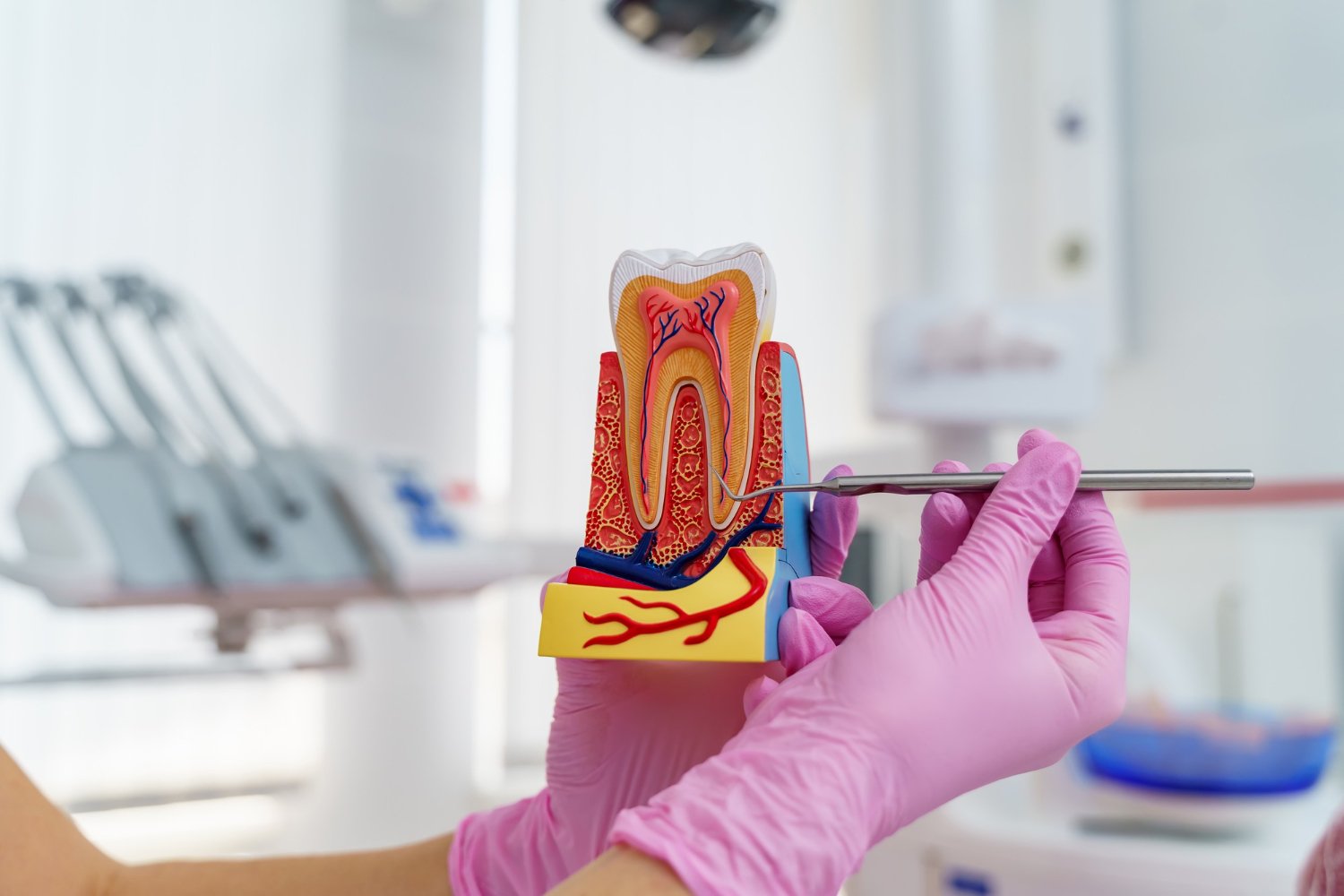
The words “root canal” have an undeserved reputation for being scary. In reality, a root canal is a routine, tooth-saving procedure that is remarkably similar to getting a deep filling. Its primary goal isn’t to cause pain—it’s to eliminate it and prevent you from losing your tooth entirely.
If your dentist has recommended one, here is everything you need to know to feel confident and prepared.
1. It’s a “Rescue Mission” for Your Tooth
When the soft tissue inside your tooth (the pulp) becomes infected or inflamed due to deep decay, a crack, or a traumatic injury, it can’t heal on its own. Without treatment, the infection will lead to an abscess and, eventually, tooth loss.
A root canal allows the dentist to:
Remove the infected pulp.
Clean and disinfect the narrow canals inside the root.
Fill and seal the space to prevent future bacteria from entering.
2. Modern Technology Means Minimal Discomfort
The most common myth is that root canals are painful. Thanks to advanced local anesthetics and modern dental tools, most patients report that the procedure feels no different than getting a standard cavity filled.
In fact, the “pain” associated with root canals usually comes from the infection itself before the procedure begins. The treatment is what actually provides the relief.
3. A Crown is Usually the Final Step
Because a tooth is no longer “alive” after the pulp is removed, it can become more brittle over time. To ensure the tooth stays strong enough to handle the pressure of chewing, your dentist will usually place a crown over the treated tooth.
Think of the root canal as the foundation work and the crown as the protective shell that restores your tooth to its full function and appearance.
4. Saving Your Natural Tooth is Always Best
While extractions (pulling the tooth) might seem like a quick fix, keeping your natural tooth is always the preferred option.
Maintain Alignment: Missing teeth cause surrounding teeth to shift, which can lead to bite problems.
Bone Health: Keeping your natural root helps maintain the jawbone structure.
Cost-Effective: A root canal and crown are often more affordable in the long run than the cost of an extraction followed by a dental bridge or implant.
Don’t Wait for the Pain to Worsen
If you are experiencing sensitivity to heat and cold, swelling near the gums, or a persistent ache, it’s time to see a professional. Early intervention is the key to a simple, painless recovery.
Are you experiencing tooth pain or sensitivity?
Would you like me to write a short “Post-Procedure Care” guide to help patients understand what to expect during recovery?
Book a Consultation
It’s easy and free!
Tags:healthsmilemakeover